PRP Therapy Explained: How Your Own Blood Can Support Healing
Some treatments sound complex because they are. PRP therapy is interesting for the opposite reason — it’s simple, biologic, and based entirely on your own body.
Yet despite its growing use, many patients don’t fully understand what PRP actually does.
What PRP Really Is
PRP stands for Platelet-Rich Plasma. Platelets are best known for clotting, but they also contain growth factors that help signal tissue repair.
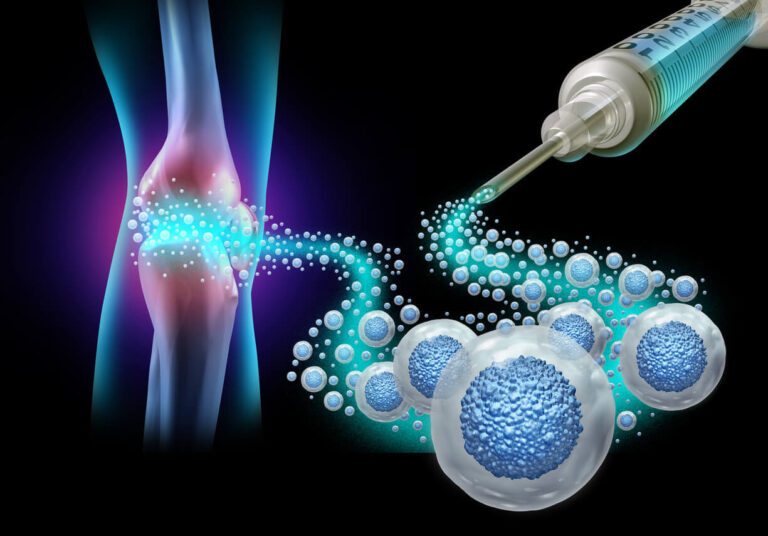
PRP therapy concentrates these platelets and delivers them to areas where healing has slowed, such as tendons, ligaments, or joints.
How PRP Acts
PRP does not numb pain or suppress inflammation the way medications do. Instead, it supports a healing response that may have stalled.
That’s why PRP is often considered when rest, therapy, or medication hasn’t produced lasting improvement.
How PRP is different than Stem Cell
- PRP is a powerful way to reduce inflammation and pain
- PRP does not create new cartilage which stem cell does
- PRP can be used with stem cell for even greater results
How PRP can be used together with Stem Cell therapy or by itself as a powerful anti-inflammatory
Common Uses for PRP
PRP is frequently used for:
- Tendonitis (shoulder, elbow, wrist, ankle)
- Tennis elbow and golfer’s elbow
- Mild to moderate arthritis
- Ligament strain
- Overuse injuries
What Patients Often Notice
Early soreness is common, but improvement tends to unfold gradually. Over time, patients often report:
- Reduced stiffness
- Improved motion
- Better tolerance for activity
- Fewer flare-ups
Why Evaluation Matters
PRP works best when used appropriately. A thorough evaluation helps determine whether PRP fits the condition, tissue type, and patient goals.
Related Resources
Medical Disclaimer:
This content is for educational purposes only. Outcomes vary by individual and condition. PRP therapy should be discussed with a qualified medical professional.