Research & Media
Advancing Regenerative Medicine Through Evidence, Innovation & Patient Education
At Native Stem Cell Clinics, we believe patients deserve transparent, evidence-based information about regenerative medicine. Our Research & Media center brings together:
Peer-reviewed research on stem cell therapy, PRP, and orthobiologics
Educational articles written for patients
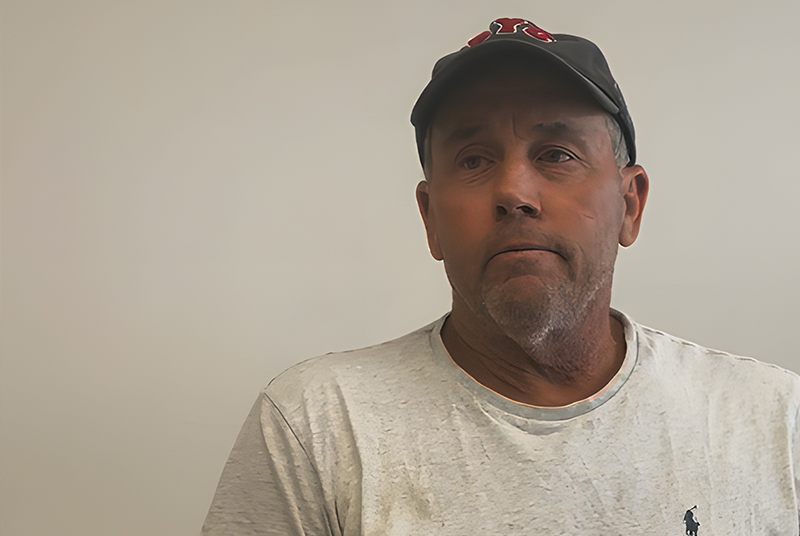
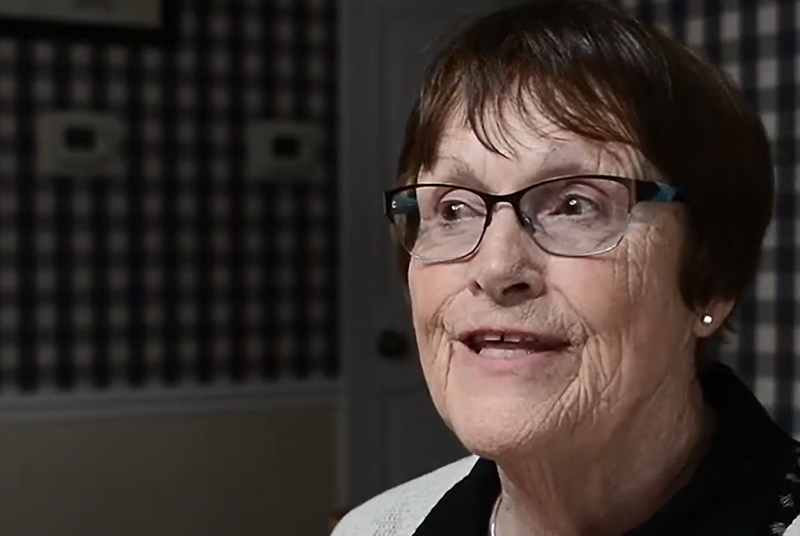
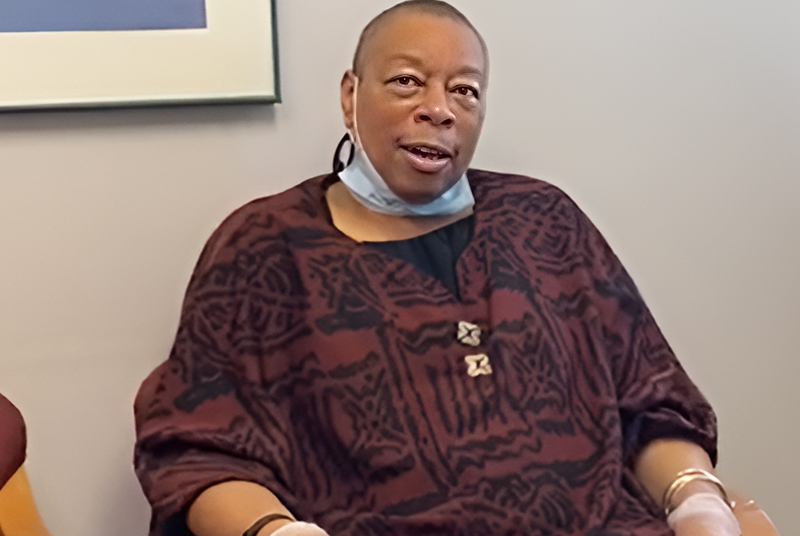
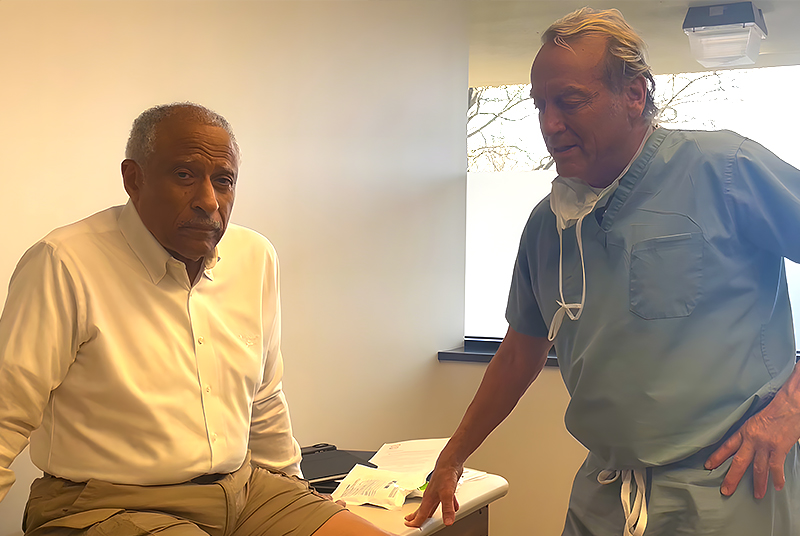
Media features, interviews, and news coverage
Frequently asked questions about regenerative treatment science
This hub is designed to help patients, journalists, and healthcare professionals understand the latest developments in orthopedic regenerative medicine.
Explore Our Research & Media Resources
Research Hub
Your centralized library of scientific information, clinical evidence, and educational articles.
Inside the Research Hub, you’ll find:
- Clinical studies related to regenerative orthopedics
- Summaries of research on PRP, stem cells, orthobiologics
- Articles explaining how biologic treatments work
- Treatment science behind ReVivaStem®
- Ongoing updates to keep patients informed
In the News
Native Stem Cell Clinics has been featured across Michigan media for our pioneering work in regenerative orthopedics, including:
Feature stories
Physician interviews
Radio and TV appearances
Articles describing our approach to non-surgical joint repair
Blog
Our blog will provide ongoing updates, patient-friendly articles, and insights into regenerative therapy, joint health, treatment advances, and lifestyle topics.
Why Research Matters in Regenerative Medicine
Regenerative medicine is constantly evolving. At Native Stem Cell Clinics, we:
Follow emerging scientific literature
Use evidence-informed clinical decision-making
Apply regenerative treatments only when appropriate
Ensure patients understand the strengths and limitations of current research
Continue improving our ReVivaStem® protocol with scientific input
Our commitment to research supports safer, more effective patient care.
FAQ — Regenerative Medicine, Research & Treatment Insights
What conditions respond best to stem cell therapy or PRP?
Research suggests that regenerative treatments can be effective for:
Early to moderate osteoarthritis
Tendon degeneration
Rotator cuff injuries
Knee and hip arthritis
Labral irritation
Meniscus degeneration
Chronic tendonitis
Achilles and ligament injuries
Your suitability depends on imaging, disease severity, and activity level.
How long does it take for regenerative treatments to work?
Most patients begin noticing improvement within 4–12 weeks, with continued progress over 3–6 months. This gradual improvement reflects the biologic healing process.
Are regenerative treatments FDA-approved?
PRP and same-day autologous stem cell procedures are permitted under FDA guidelines for orthopedic use when:
The cells come from your own body
They are minimally manipulated
They are used to treat orthopedic tissue
Native Stem Cell Clinics operates fully within regulatory standards.
Is stem cell therapy painful?
The procedure is well-tolerated. Bone marrow collection is done with local anesthesia, and patients typically report:
Pressure, not sharp pain
Mild soreness afterward
Ability to walk out the same day
PRP injections typically involve minimal discomfort.
How long do results last?
Many patients experience benefits that last 1–3 years, depending on:
Severity of degeneration
Lifestyle factors
Adherence to recovery guidelines
Some patients return for maintenance PRP to support long-term joint health.
How is ReVivaStem® different from traditional stem cell therapy?
ReVivaStem® includes:
Higher-quality biologic concentration
A structured post-procedure recovery plan
Best practices for orthopedic tissue support
It is not a generic “stem cell shot” — it is a comprehensive medical protocol.
Is there downtime after treatment?
Minimal downtime. Most patients:
Walk out immediately
Resume light activities quickly
Avoid heavy impact for several weeks
Follow a personalized recovery plan
How do you determine if I am a candidate?
We evaluate:
Medical history
X-rays
MRI (if available)
Severity of joint or tendon damage
Activity goals
Treatment history
This ensures the treatment is appropriate and likely to be effective.